Loading content...
DC Metro WMATA Careers: Pay & How to Get Hired
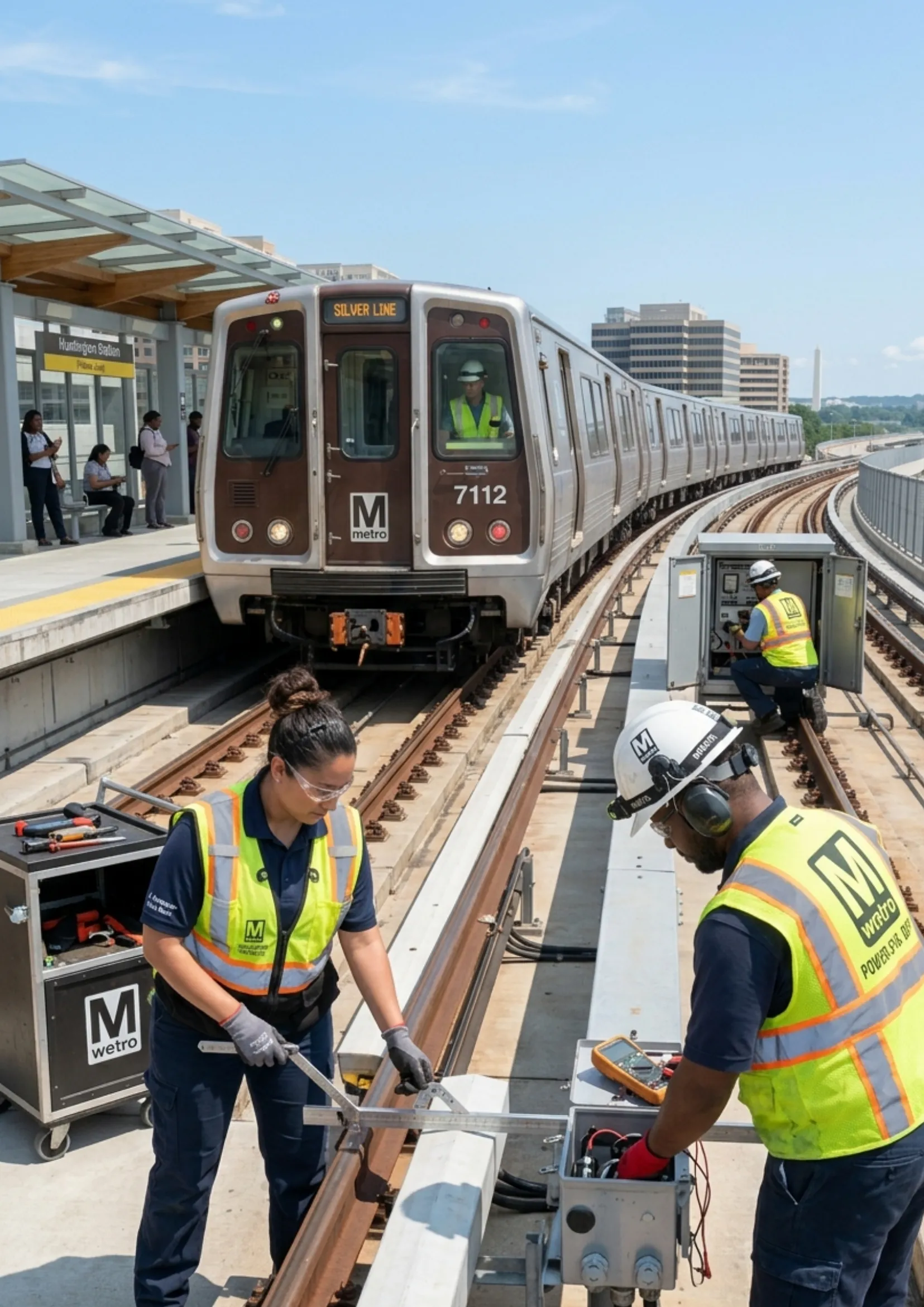
DC Metro Careers: If you've ever thought about landing a stable government-adjacent job in the Washington area, WMATA is worth a serious look. The Washington Metropolitan Area Transit Authority employs more than 13,000 people and keeps one of the country's busiest transit systems running day in and day out. The job types span a surprisingly wide range, from the person operating your train each morning to the engineers designing the infrastructure underneath it,t and the pay and benefits hold up well against comparable work in the private sector.
What Kind of Jobs Does WMATA DC Metro Careers Offer?
Rail Operations
The most visible jobs at WMATA are the ones riders interact with directly. Train operators run the six Metrorail lines and, notably, you don't need prior rail experience to apply — WMATA puts new hires through paid training from the start. Station managers handle the day-to-day realities of running a station: helping passengers, managing SmarTrip issues, and coordinating with emergency services when needed. Rail supervisors step up to oversee multiple stations within a zone, and that typically requires two to five years of prior WMATA experience first. At the top of the technical ladder sit control center operators, who monitor train movements system-wide from the Rail Operations Control Center (ROCC).
Bus Operations
Metrobus covers hundreds of routes stretching across DC, Maryland, and Virginia, making the Metrobus operator one of the most consistently posted positions at WMATA. You'll need a CDL Class B with a Passenger endorsement — but here's the thing: WMATA will actually help you get that license if you don't already have one. Their paid CDL training program usually runs four to six weeks. You do need to be at least 21, have a clean five-year driving record, and be comfortable working a rotating schedule that includes early mornings, late nights, weekends, and holidays.
Metro Transit Police
The Metro Transit Police Department isn't your average transit security operation. It's a fully sworn law enforcement agency with jurisdiction spanning DC, Maryland, and Virginia simultaneously — one of only a handful of tri-jurisdictional departments in the entire country. Entry-level officers must be US citizens with a clean background and police academy certification. From there, the career path can lead to detective positions, specialized units handling counter-terrorism and major event security, or civilian roles like police communications officer.
Engineering & Maintenance
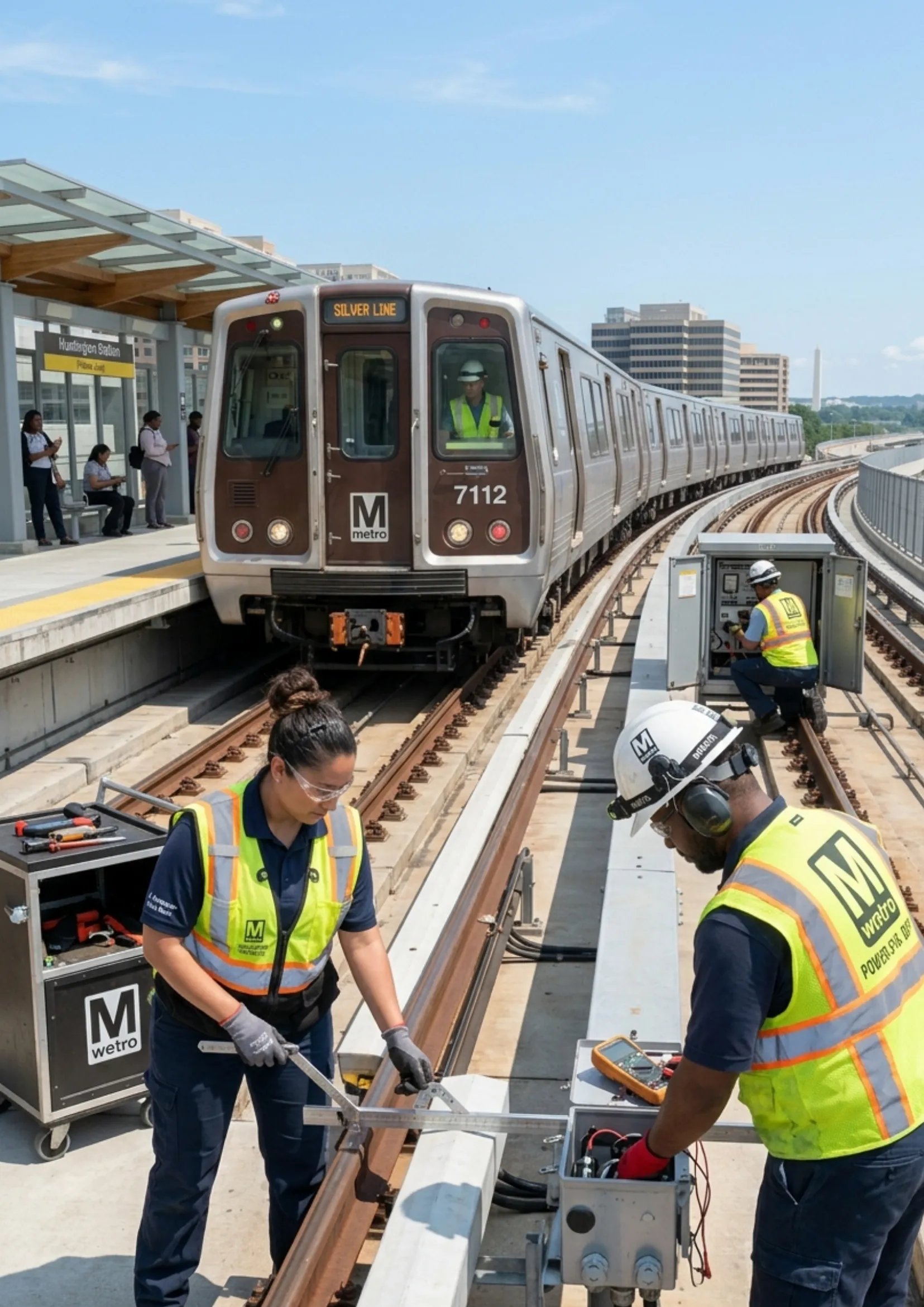
Behind the scenes, a large portion of WMATA's workforce keeps the physical infrastructure functioning. Elevator and escalator technicians maintain more than 600 escalators and 270 elevators spread across the rail system. Track maintenance workers handle rails, switches, and third-rail power — mostly on overnight shifts. Systems and electrical engineers require a bachelor's degree in a relevant field, and having a PE license puts you ahead of the pack. Fleet maintenance technicians keep both Metrorail cars and Metrobus vehicles operational at WMATA's maintenance facilities.
Administrative & Corporate Roles
HR, finance, legal, IT, communications, and public affairs all have active recruiting pipelines. WMATA also runs a formal internship program for college students across engineering, business, communications, and public policy — a solid foot in the door for early-career candidates.
What Does WMATA DC Metro Careers Pay?
Operational roles fall under ATU Local 689 union contracts, which include regular step increases — meaning pay climbs on a set schedule rather than relying on annual performance reviews. Professional and administrative roles are governed by market-rate scales. Here's where things generally land as of 2025–2026:
| Job Title | Starting Salary | Experienced/Top Scale | Union? |
| Metrobus Operator | $56,000/yr | $82,000/yr | Yes – ATU 689 |
| Rail Operator | $58,000/yr | $88,000/yr | Yes – ATU 689 |
| Station Manager | $48,000/yr | $68,000/yr | Yes – ATU 689 |
| Transit Police Officer | $56,000/yr | $92,000/yr | Yes – FOP |
| Transit Police Detective | $70,000/yr | $105,000/yr | Yes – FOP |
| Elevator/Escalator Technician | $55,000/yr | $85,000/yr | Yes – ATU 689 |
| Track Maintenance Worker | $48,000/yr | $72,000/yr | Yes – ATU 689 |
| Electrical/Systems Engineer | $78,000/yr | $125,000/yr | No |
| IT Specialist | $65,000/yr | $105,000/yr | No |
| HR / Finance / Legal | $55,000/yr | $95,000/yr | No |
One thing worth pointing out: union step increases happen every six to twelve months, which means operators hit their top scale faster than you'd expect in most private-sector jobs. And overtime opportunities are plentiful if you want to boost your take-home even further.
DC Metro Careers Benefits Package
This is honestly one of the main reasons people stay at WMATA long-term. The benefits are genuinely strong:
- Health coverage includes medical, dental, and vision, with WMATA picking up a significant portion of the premiums for both employees and eligible dependents.
- Pension: Union employees are enrolled in a defined benefit plan — that means actual guaranteed retirement income based on years of service, not just a 401(k) that moves with the market.
- Free transit: Every WMATA employee rides Metrorail and Metrobus for free. Family members get discounted passes. For anyone commuting in the DC area, that perk alone is worth several thousand dollars a year.
- Paid time off: You start accruing vacation at 13 days per year, and it goes up as your seniority grows. Add in 10 federal holidays and a solid sick leave policy,, and the total time off package is generous.
- Tuition reimbursement: WMATA will cover up to $5,000 per year toward a job-related degree program or certification — not a small number.
Additional perks include employer-paid basic life insurance, an Employee Assistance Program (EAP) covering mental health and financial counseling, and SmartBenefits pre-tax transit accounts for administrative staff.
How the Hiring Process Actually Works for DC Metro Careers
WMATA's hiring process is thorough, especially for safety-sensitive positions. Plan for four to twelve weeks from application to your first day, longer for transit police.
- Start at wmata.com/about/careers — all open positions are listed there and updated regularly. Filter by job type, location, or full-time vs. part-time.
- Create an account on the applicant portal with a valid email. Hold onto your login — you'll need it to check your application status.
- Apply online by submitting your resume, cover letter (if required), and any certifications directly through the portal.
- Application review — HR screens submissions. High-volume roles like bus and rail operators often run rolling recruitment cycles throughout the year.
- Assessments — many roles include an aptitude test, situational judgment test, or skills evaluation.
- Interview — passing the initial screen earns you an in-person or video interview. Panel interviews are standard for operational roles.
- Background check and drug test — every hire goes through a thorough background investigation covering criminal history, driving record, and employment history, plus mandatory drug and alcohol screening.
- Medical exam — bus operators, rail operators, and transit police must meet DOT physical standards.
- Paid training — bus operators without a CDL go through WMATA's paid CDL training (4–6 weeks). Rail operators attend an 8–16 week training program. Transit police go through a full police academy. You're paid during all of it.
DC Metro Careers Minimum Requirements by Position Type
| Position | Education | Key Requirements | Disqualifiers |
| Metrobus Operator | HS diploma/GED | CDL Class B, clean driving record, age 21+ | DUI convictions, at-fault accidents in past 5 years |
| Rail Operator | HS diploma/GED | Pass WMATA aptitude test, physical, drug test | Prior felony, failed drug test |
| Transit Police Officer | Some college or academy | US citizenship, police academy cert, clean record | Felony conviction, dishonorable discharge |
| Engineer/Technical | BS in relevant field | PE license preferred, 3–5 years experience | — |
| Administrative | Associate's or Bachelor's | Role-specific, varies widely | — |
Frequently Asked Questions: WMATA Careers
1. How do I apply for a DC Metro job?
A. Go to wmata.com/about/careers, create an account, and apply online. The process typically takes four to twelve weeks, start to finish.
2. What does a Metro bus driver make starting out?
A. Metrobus operators start around $56,000 per year. After step increases under ATU Local 689, experienced operators can earn $82,000 or more, with overtime adding further on top of that.
3. Does WMATA offer good benefits?
A. benefits package is legitimately strong — medical, dental, and vision coverage; a defined benefit pension; free transit for employees; tuition reimbursement up to $5,000 per year; and solid paid time off.
4. Do I need a CDL to drive a Metro bus?
A. You'll eventually need a CDL Class B with Passenger endorsement, but WMATA offers paid CDL training if you don't have one yet. You must be at least 21 with a clean driving record.
5. Is WMATA a union shop?
A. Most operational employees, including bus and rail operators, station managers, and maintenance technicians, are represented by ATU Local 689. Transit police have a separate bargaining unit. Union membership brings step-pay increases, seniority protections, and formal grievance procedures.